Graphic medicine is “the intersection between the medium of comics and the discourse of healthcare”.
Learn more about graphic medicine
- Graphic Medicine at graphicmedicine.org
- Bayoumi, NLM Promote Graphic Medicine
- Comic Fundamentals in CME/CHEP
Alt text on images in progress!
Graphic medicine shelf on Goodreads

Covid and body image, part 2
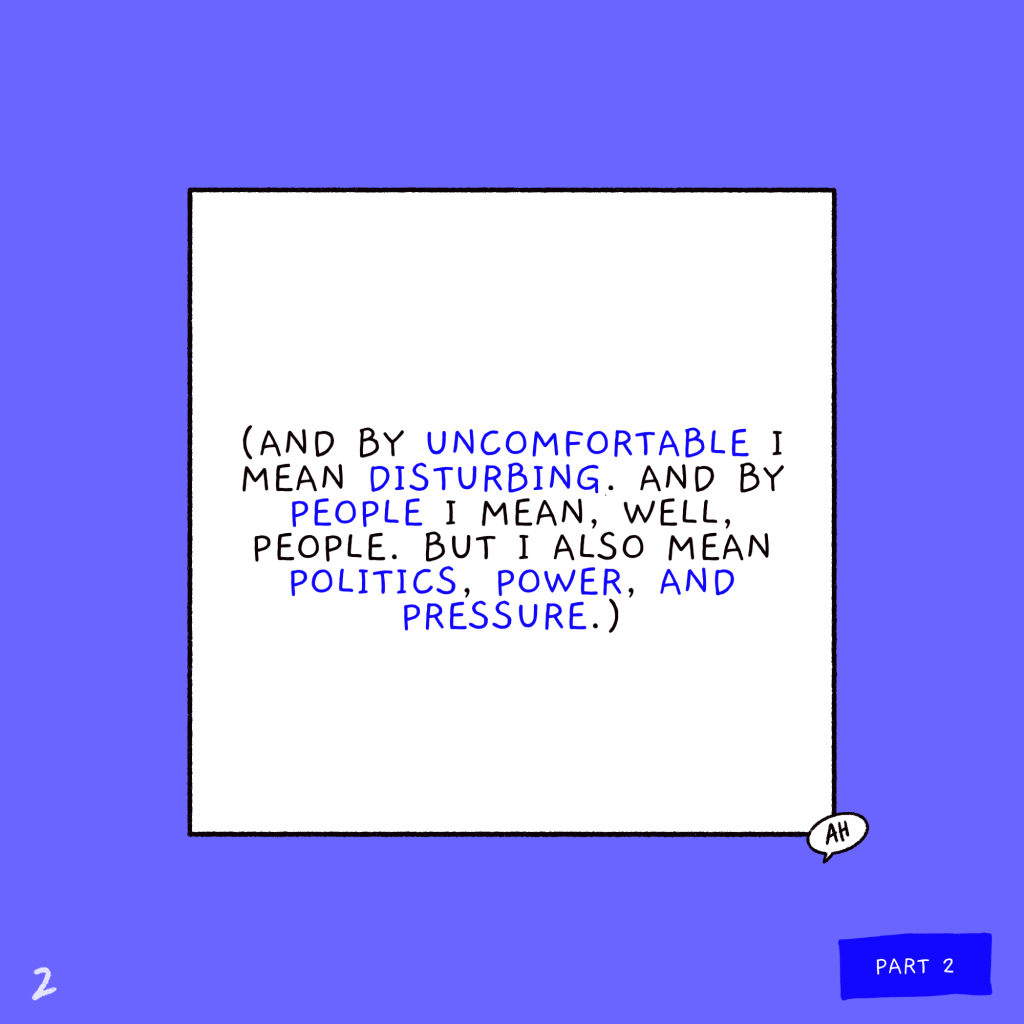
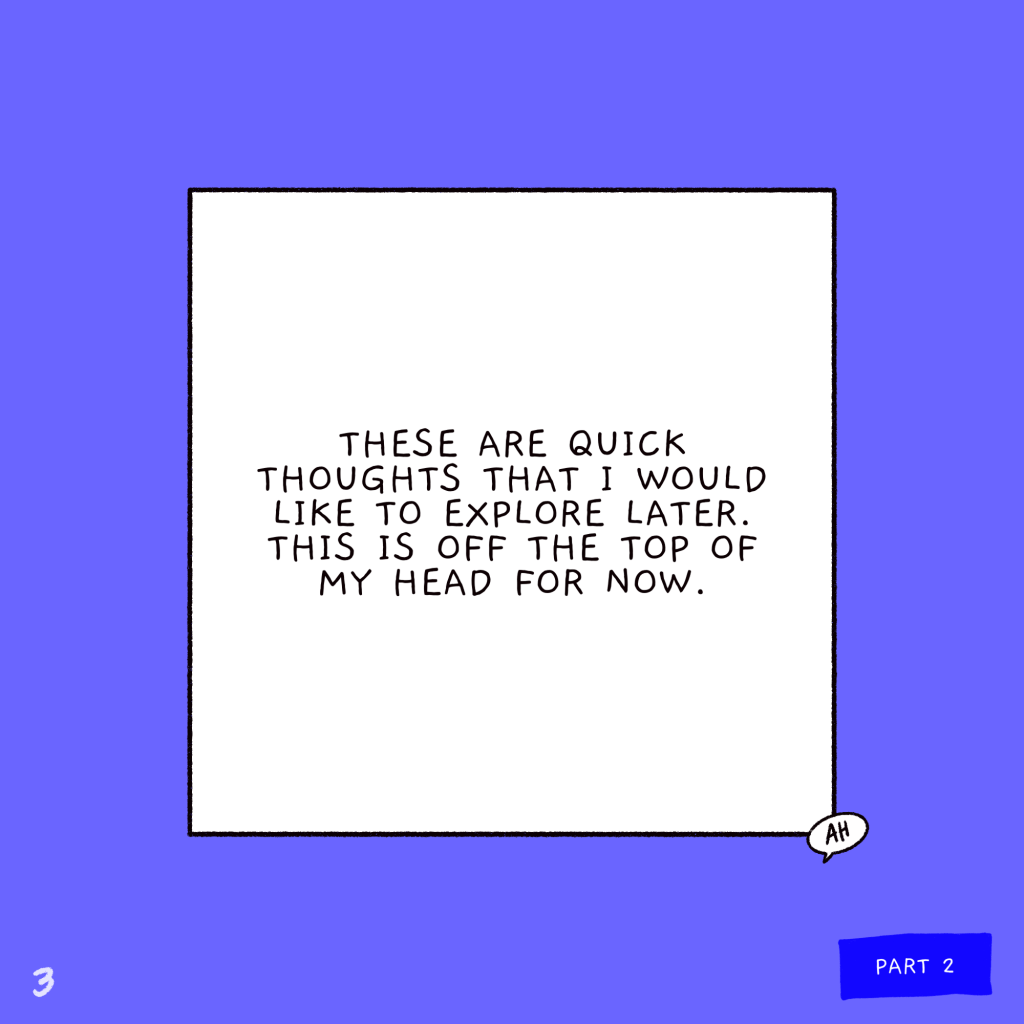
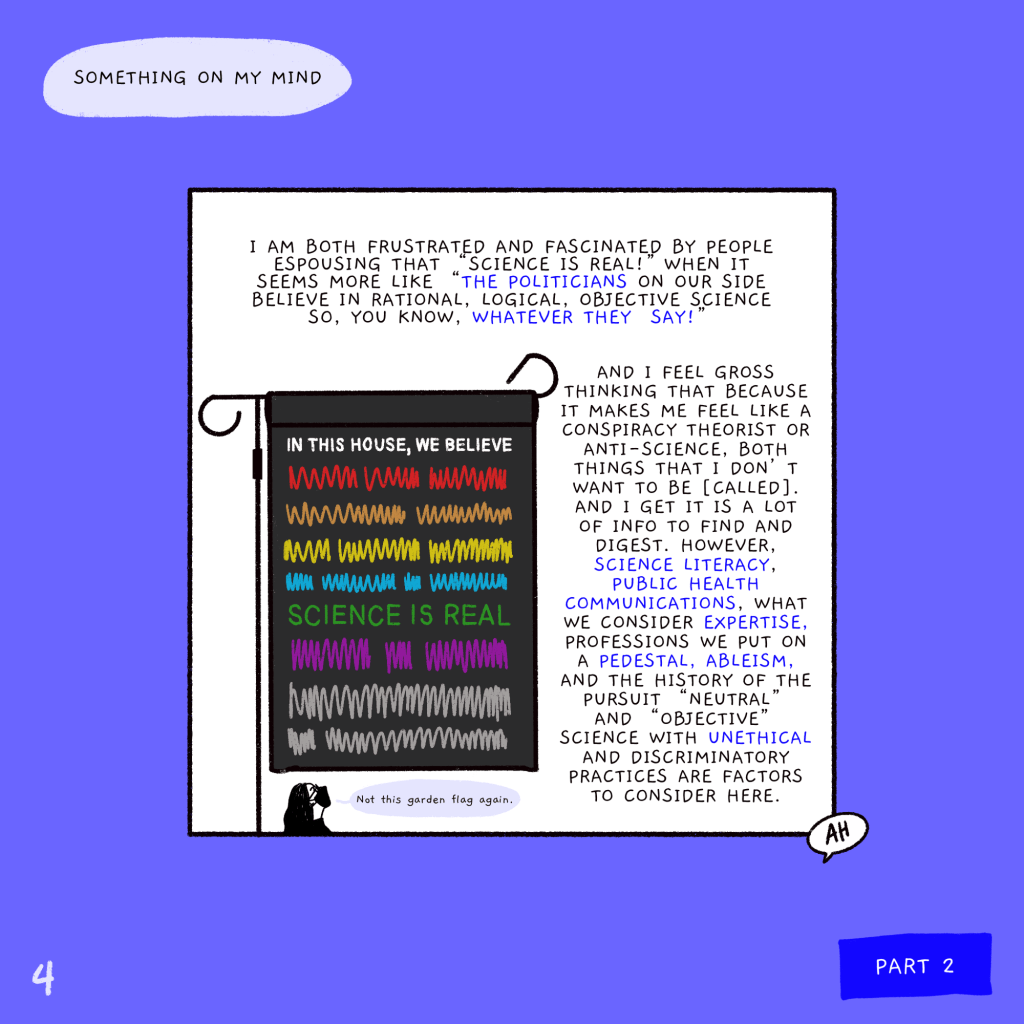
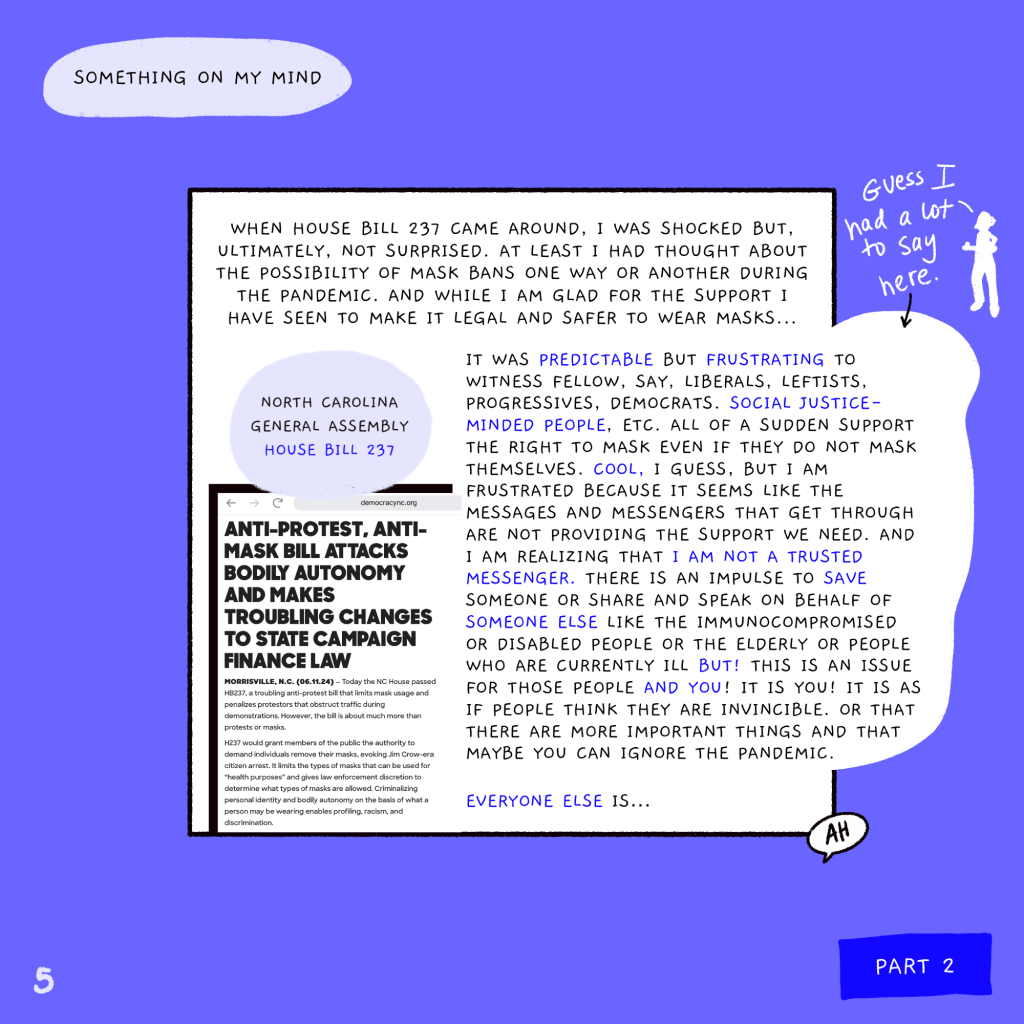
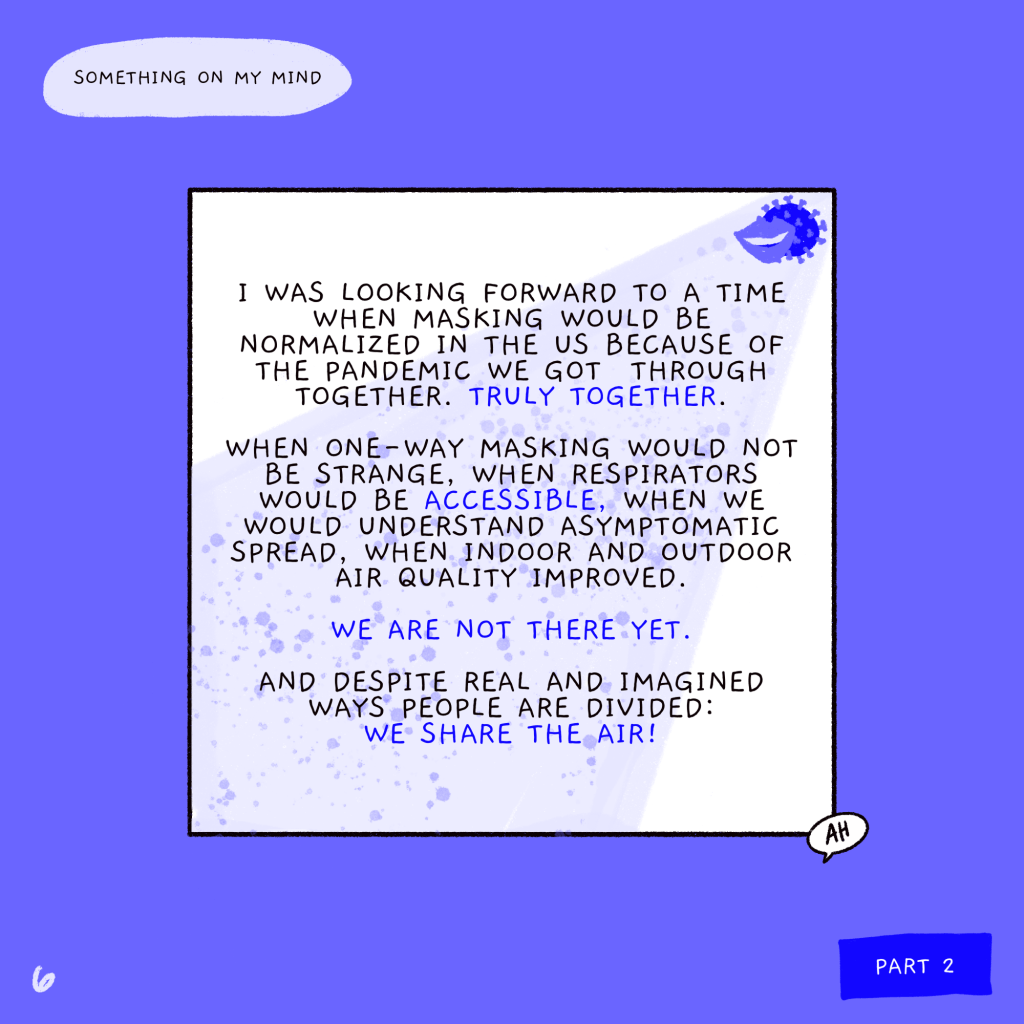
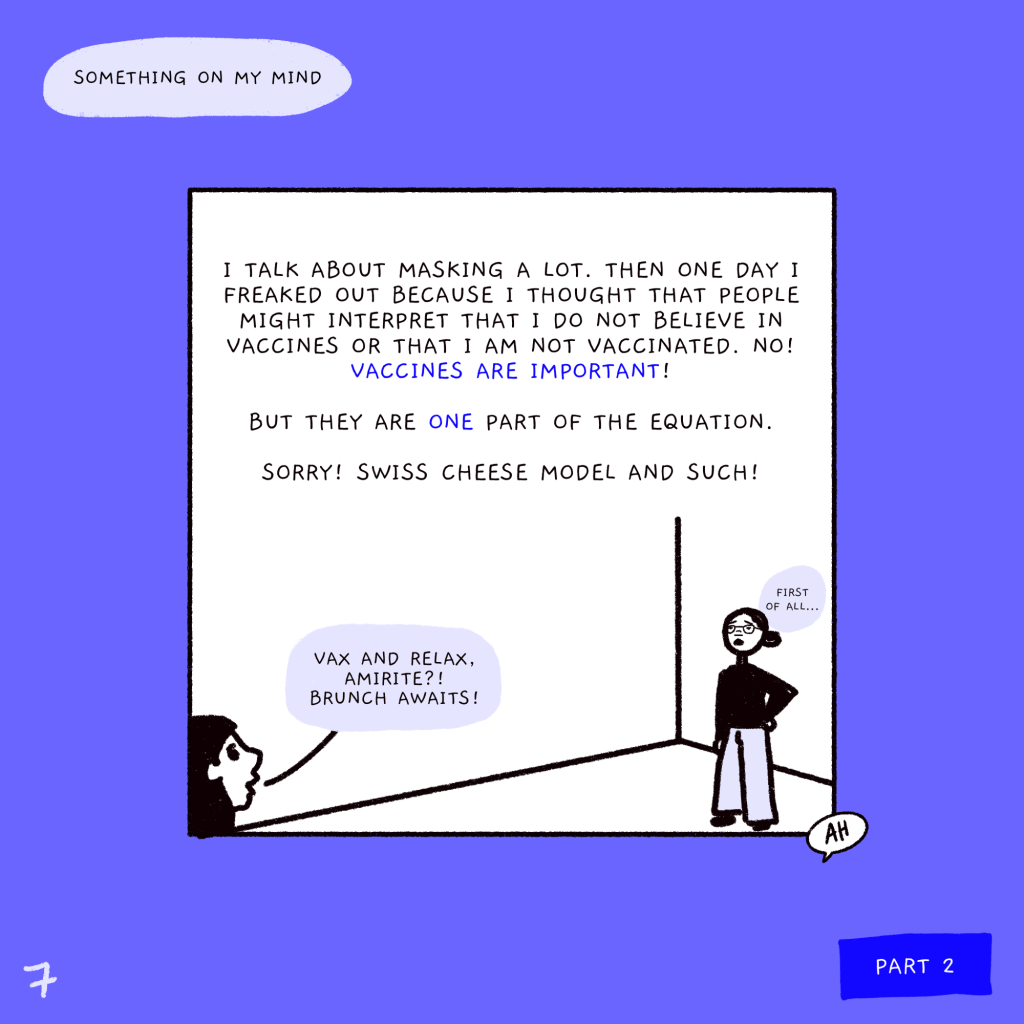
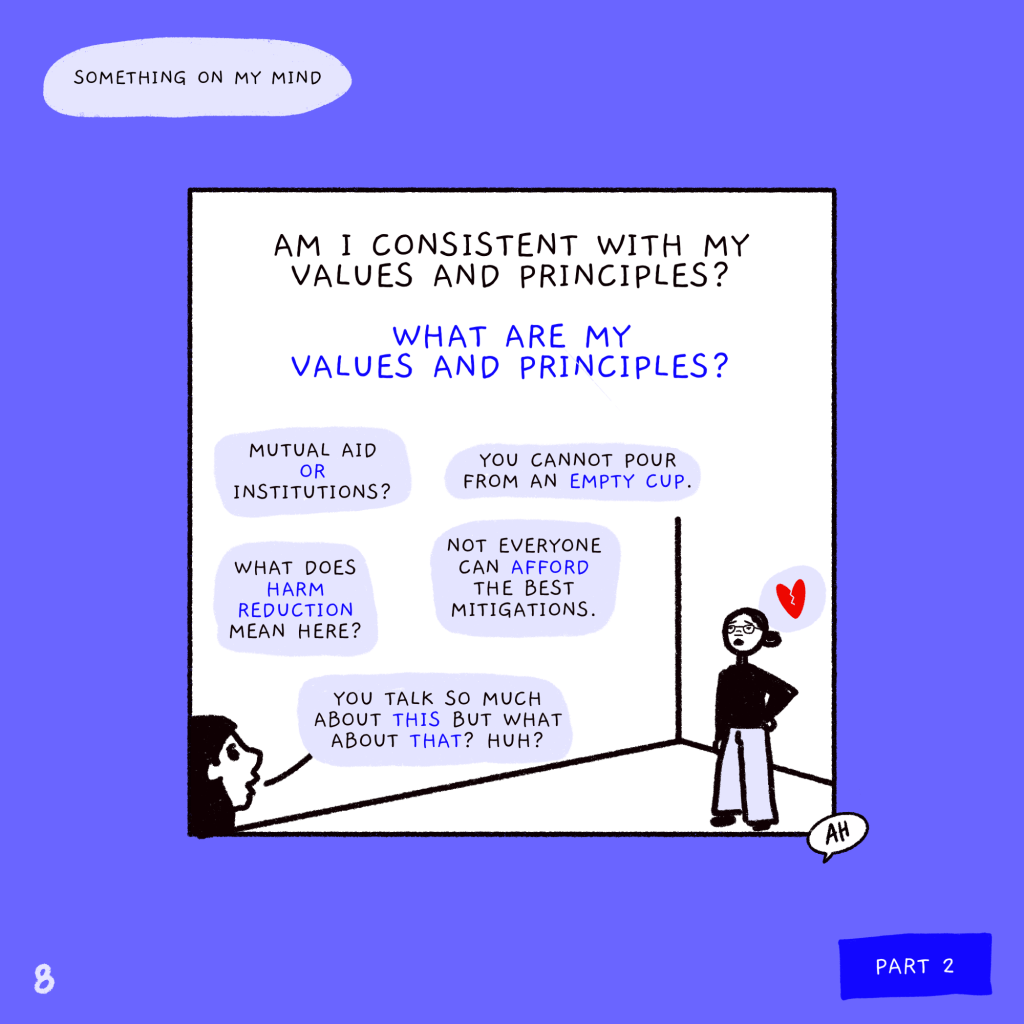
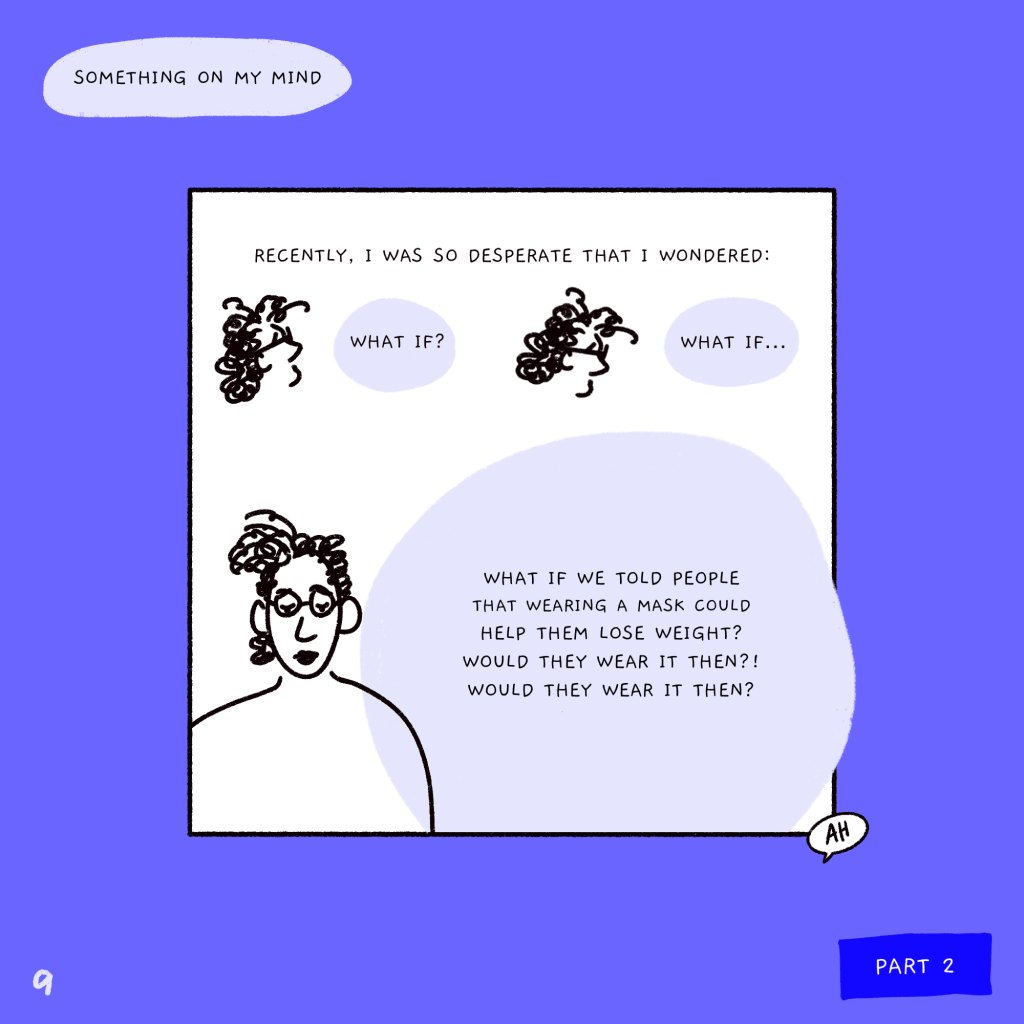
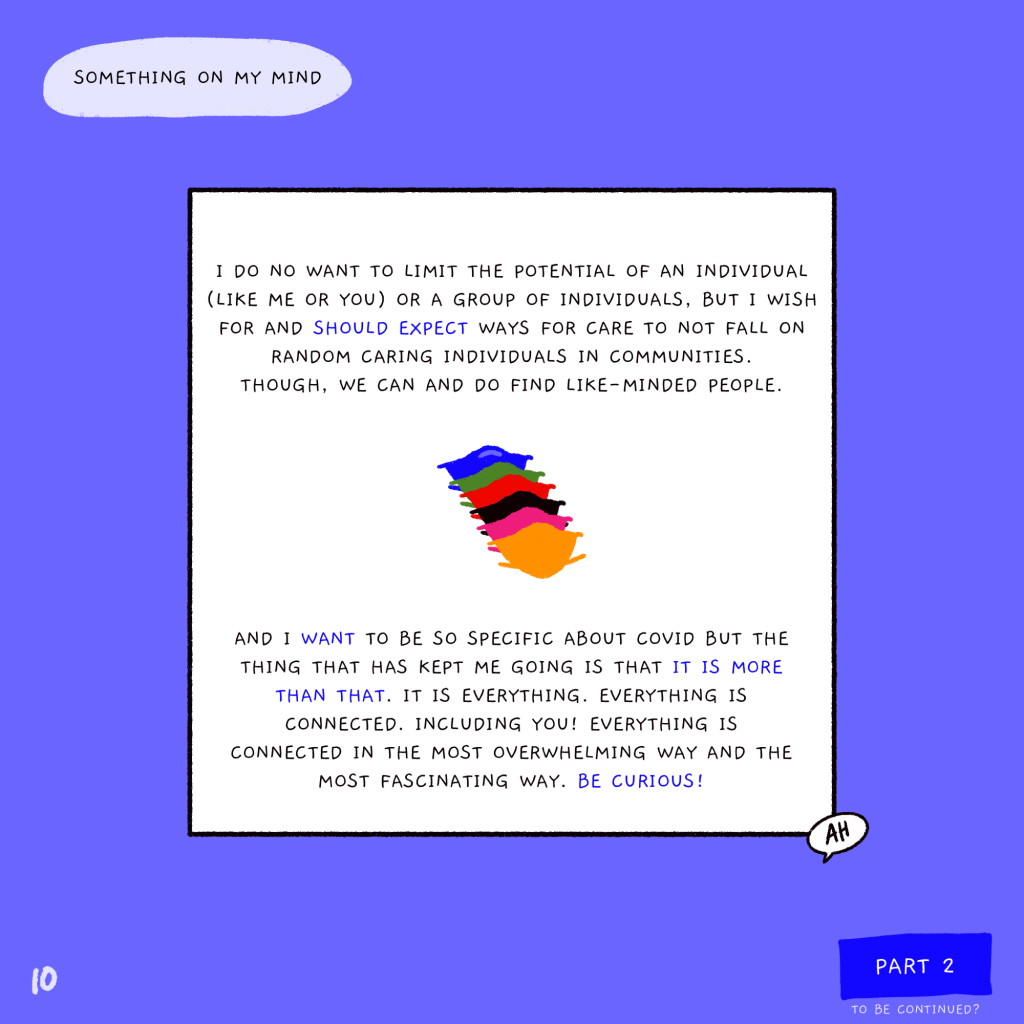
Covid and body image
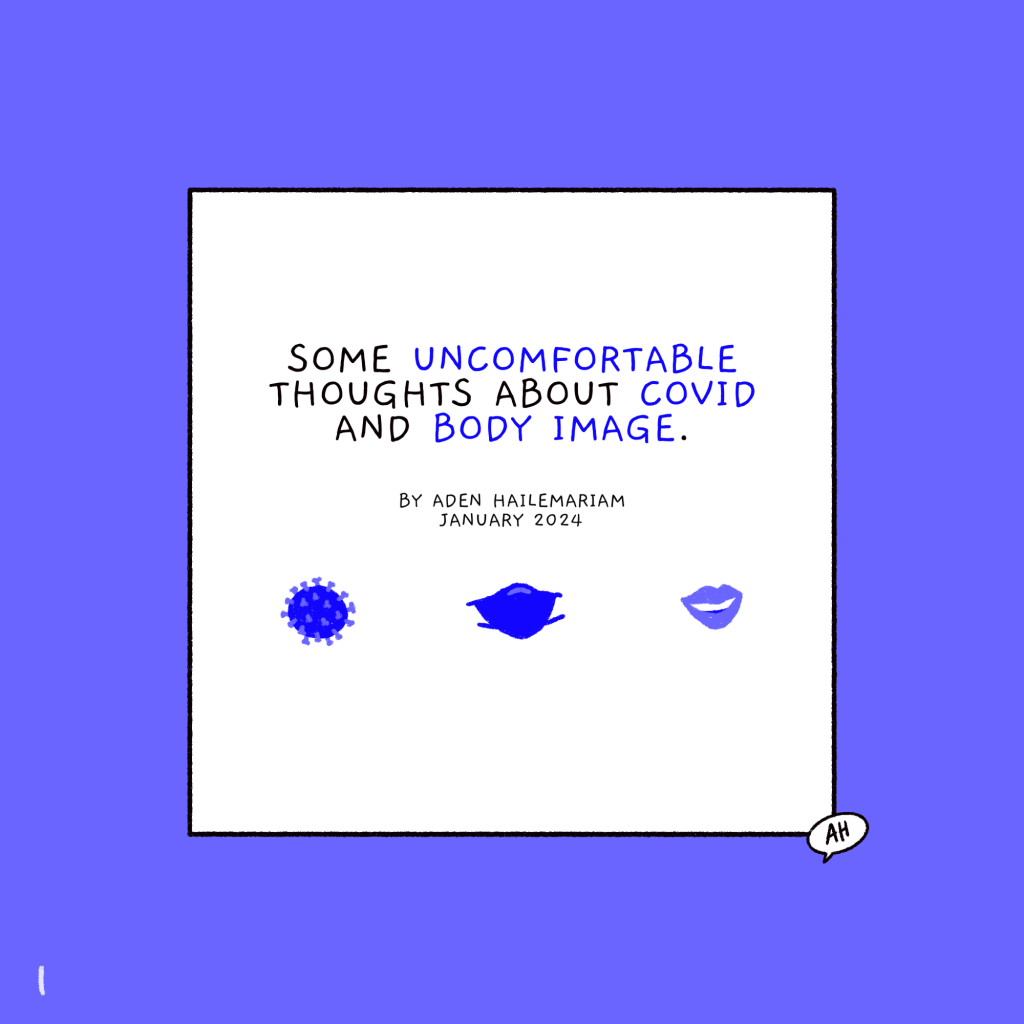

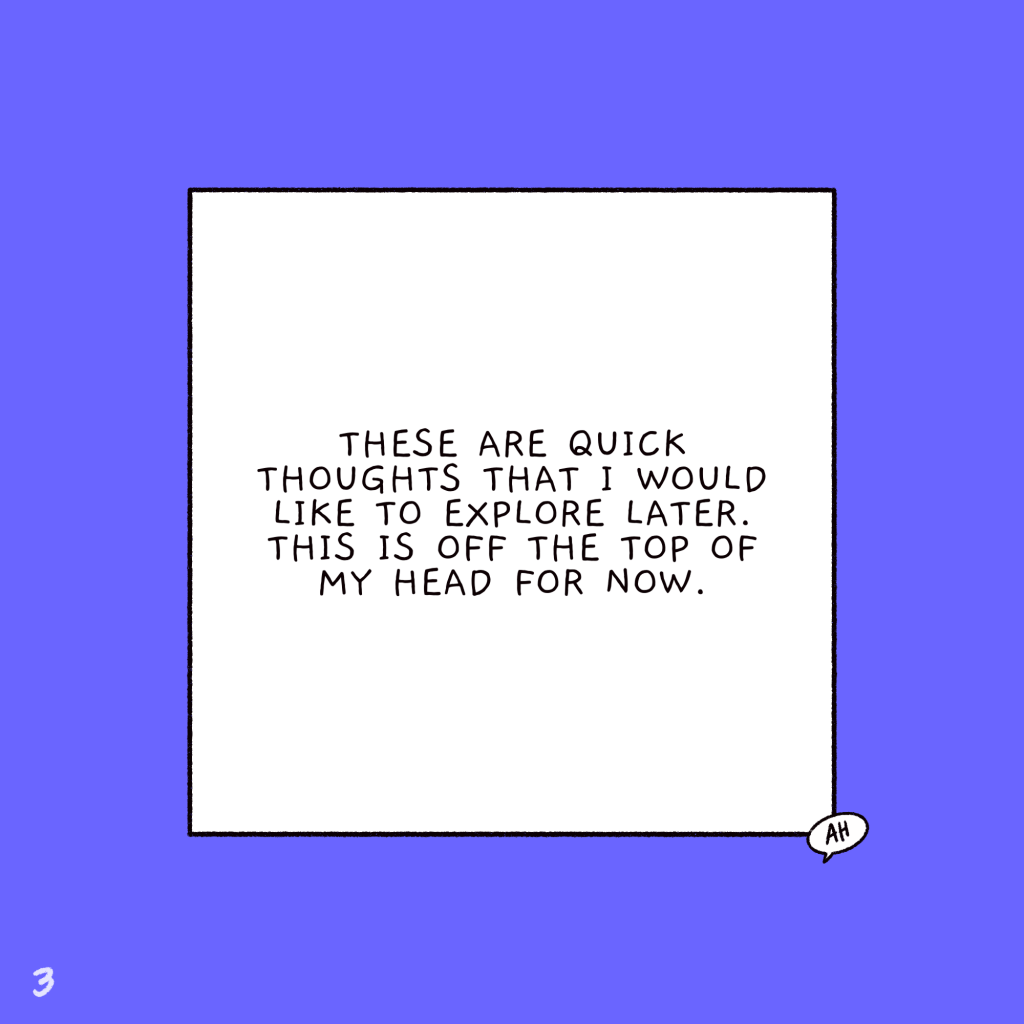
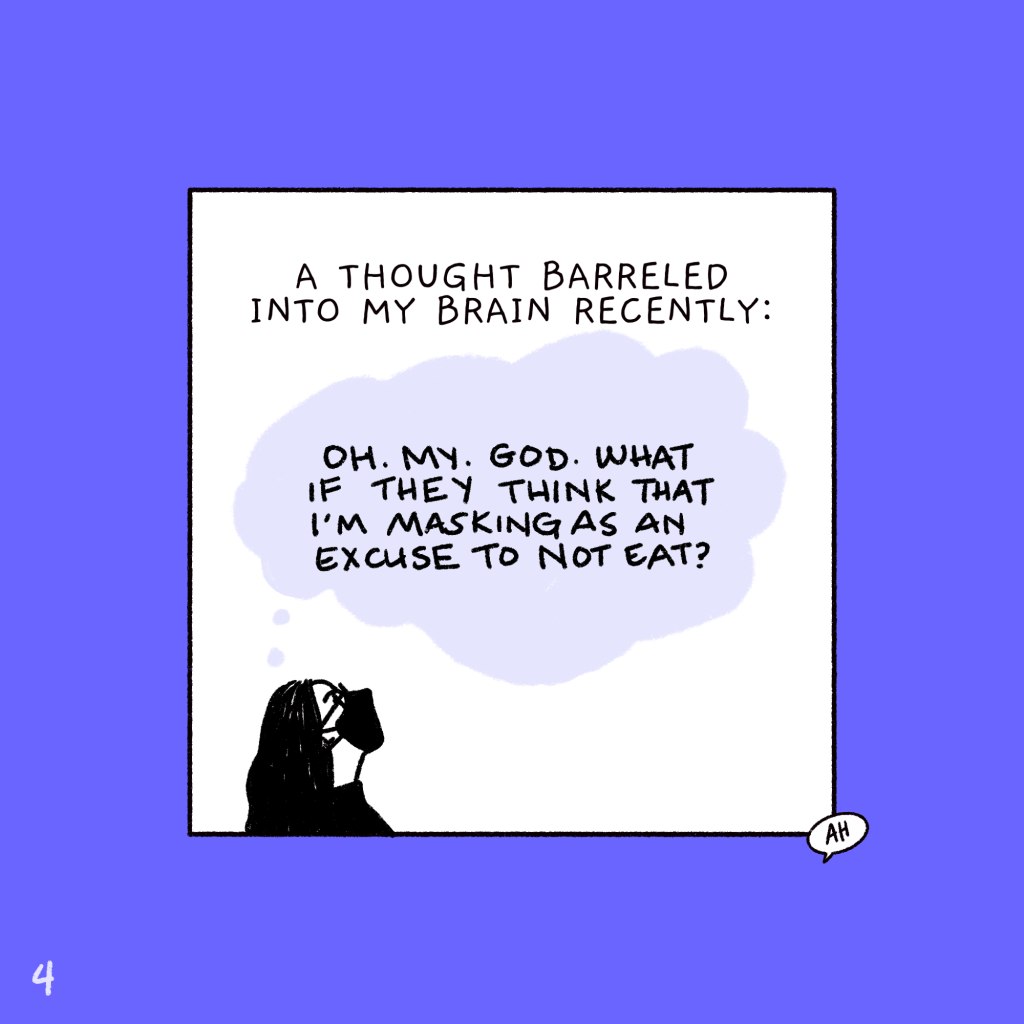
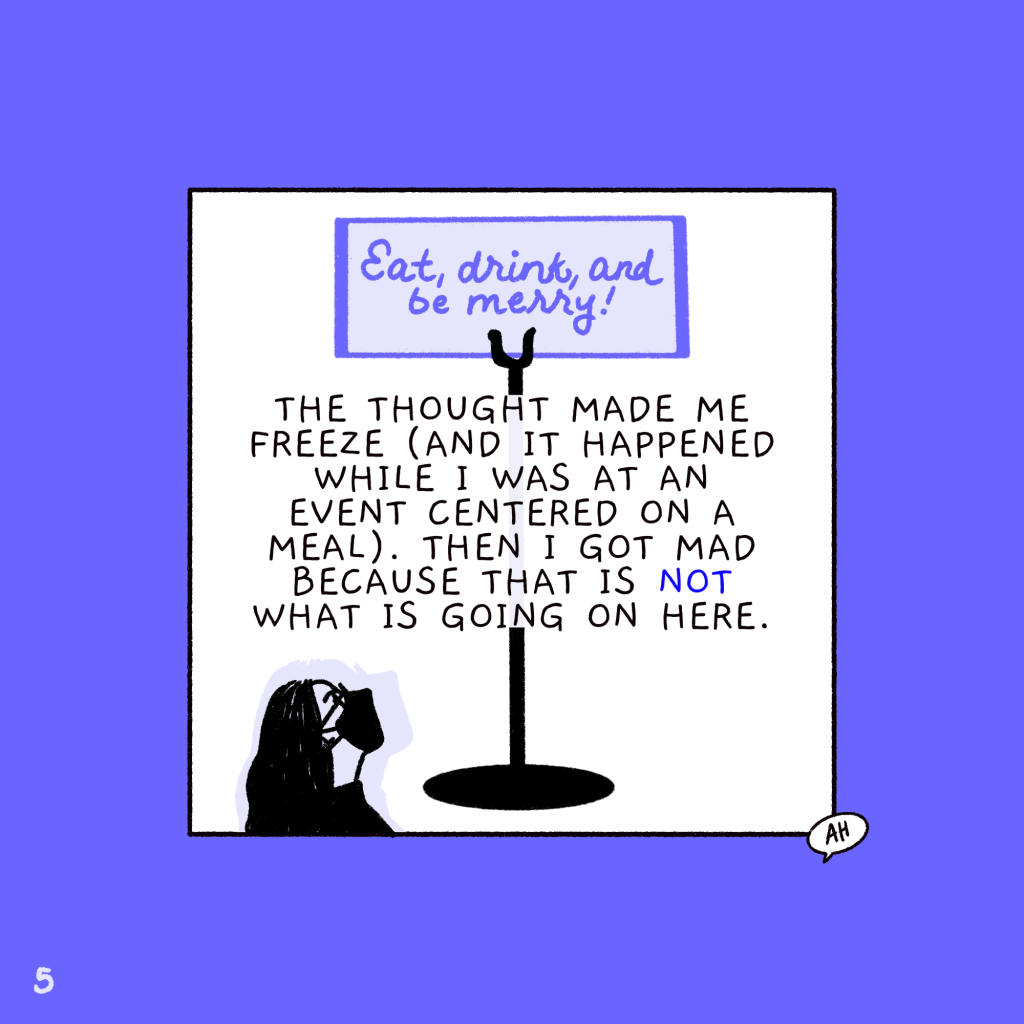
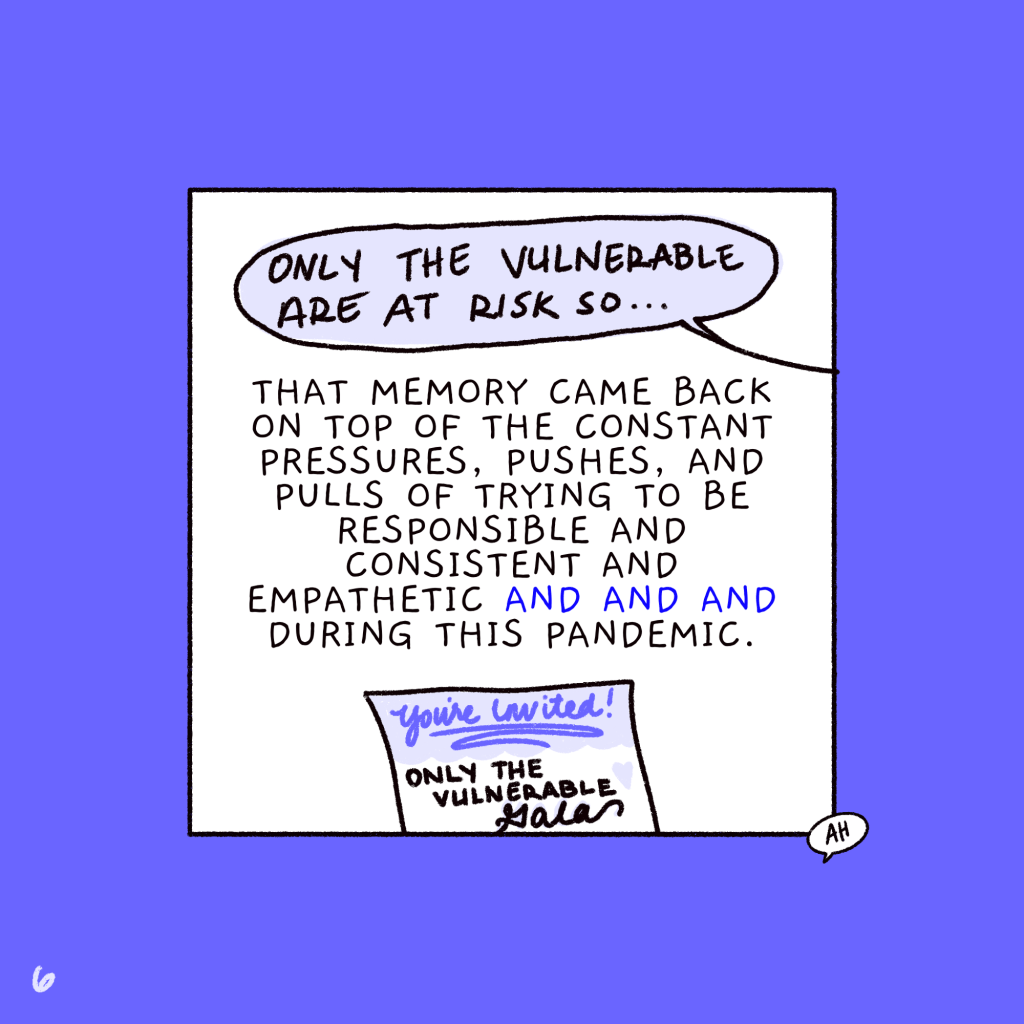
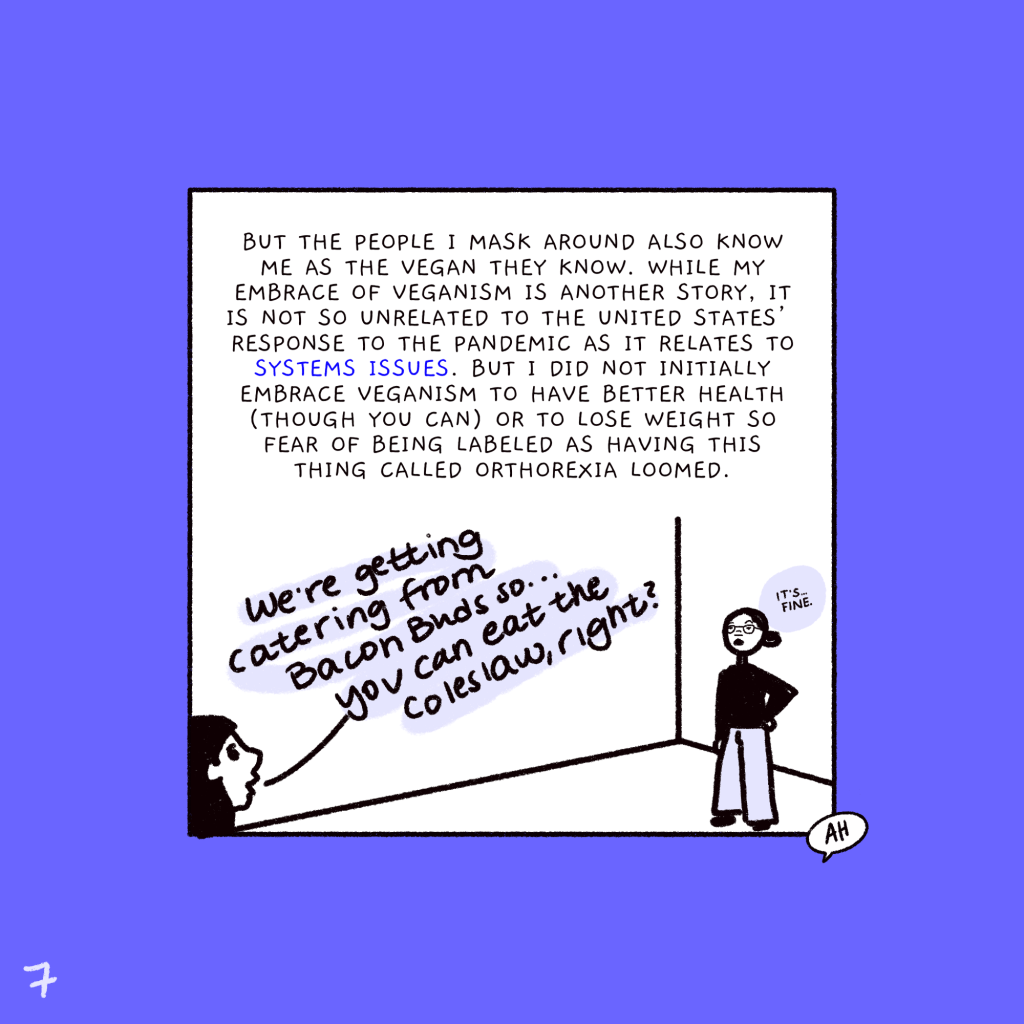
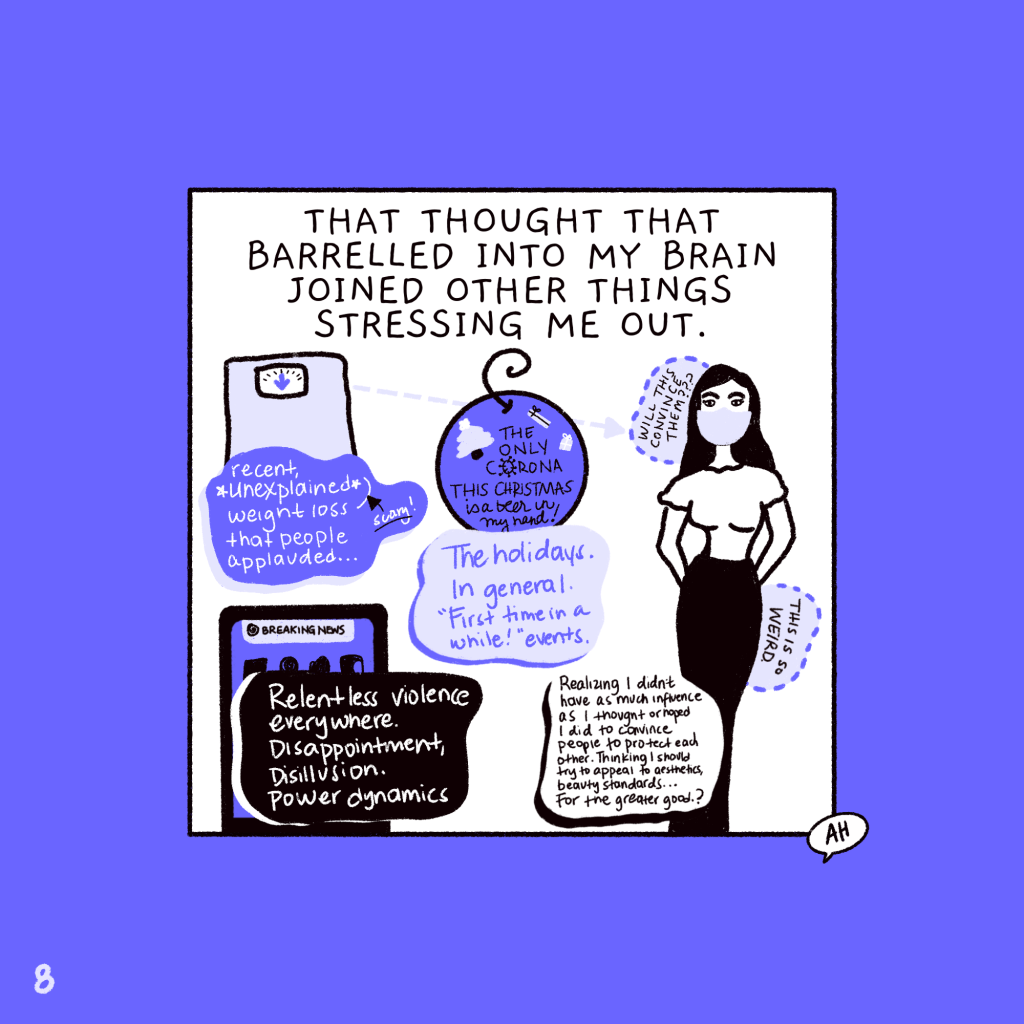
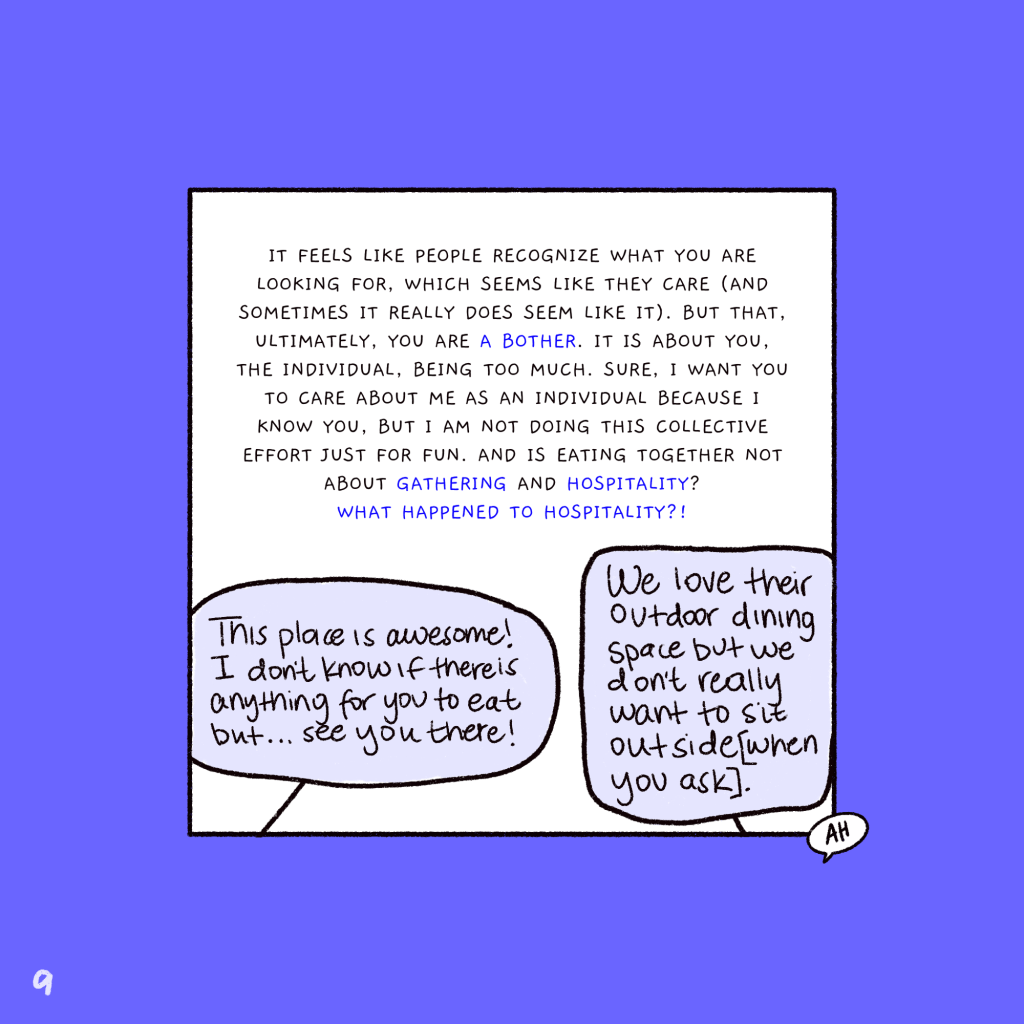
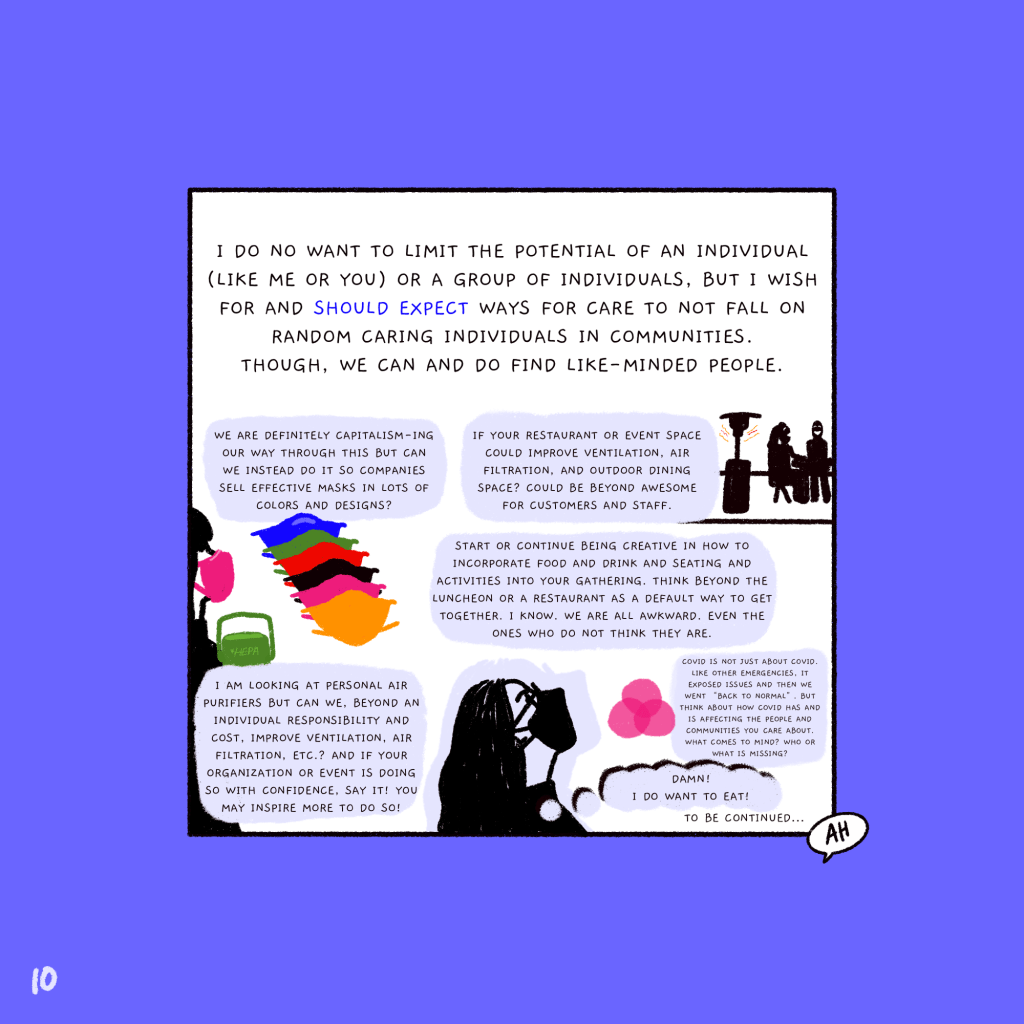
Link to pdf
Harrumph!
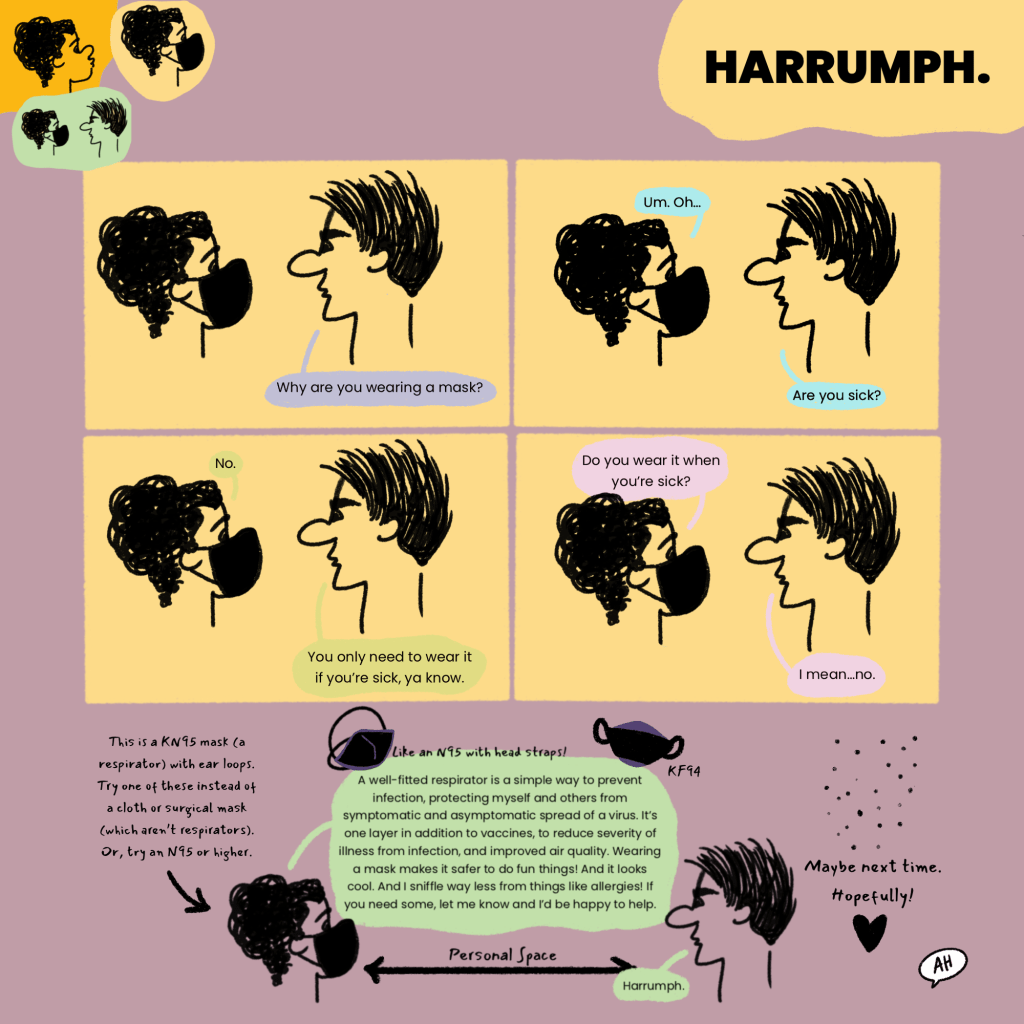
KN95 practice drawing
Miscellaneous comics/illustrations
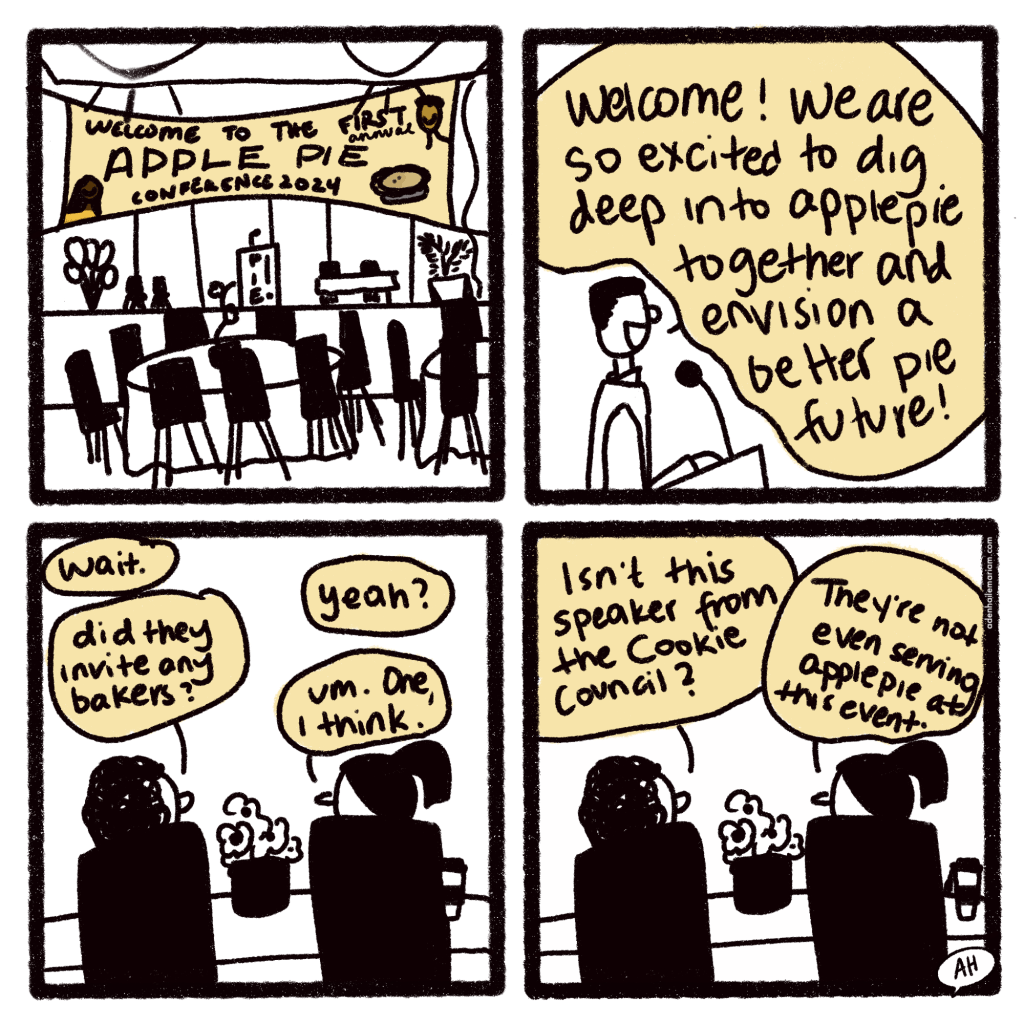

Oral Health Day 2023

The text is small so here is the text of my notes (six sections for each of the six panels):
Panel 1: It should be obvious
It seems obvious that the mouth is a part of the body. But it’s not just obvious–it’s true. Still, there are various divisions and disparities in oral health and between dental care/oral health and medical care/health care. These divisions and disparities–and the incremental ways of change–affect patients and the people who fill the composite of occupations in oral health.
Panel 2: Making the connections work
Why is dentistry still disconnected from medicine? We need to acknowledge and learn from history, meet the needs of the present, and actively build a better future. Sincerely building a better future includes asking a follow up question: Why would we keep oral health disconnected from other healthcare in the future in all the ways that are palpably difficult now?
How do we connect dental care and oral health to medical care? Behavioral health and mental health? “How” meaning how do we already do it, how do we stop doing what isn’t helpful, how do we keep what’s helpful, and how do we think we can do it all better?
Panel 3: How people define success
Focusing on the what and not the how–or why–can be a pain point. Who defines the “what” or what success means? Data is not neutral. Counting things like the number of treatments or appointments or patients are important but can lack context. It can flatten the everyday realities of patients, prospective patients, public health and oral health professionals, and advocates, and flatten what meaningful care means to patients.
Panel 4: Beyond the quantity of care
Sometimes, indicators of success–even ones that most everyone can agree on–come at the expense (literally and figuratively) of work–the work it takes for all people involved to get to where we say we want to be. Vision, guidance, patience, true senses of urgency, respect for capacity, capacity-building, and integration can make change more meaningful.
We know that there is need. People need and deserve care. Workers need and deserve to have a supportive environment to provide that care. We can’t assume that all the need will translate into demand for care with how the system has been. What have patients or prospective patients learned to expect when they have dental care needs, whether prevention or intervention? Do we make dental care, medical care, etc. convenient and trustworthy?
Panel 5: Working in oral healthcare
The pandemic is changing people’s relationship to work. How we try to recruit and retain staff will have to be different. Let’s make education attainable and work flexible so that services are consistent and patients are satisfied.
Support for dental care–for health care workers and patients–includes care navigation/care coordination, community health workers, payment systems for oral health care, and upskilling staff.
Panel 6: Questions for answers
We see success. It exists in NC. How do we get more of it?
We support our organizations. How do we support the field?
There is great work in connecting pediatric dental in medical settings. How do we get that investment to adult dental?
The education to dentistry and private practice is there. How do we incorporate dental public health in school and beyond?
If we have successful programs, how do we scale them to be more integrated into the oral health system?
How can we be, pay for, and support what we want to see in the world?
If we can recognize our frustrations with a lack of integration, what can we do next?
When we learn how we can do better today, what can we do tomorrow?
How can we have a system that makes our best work easy?
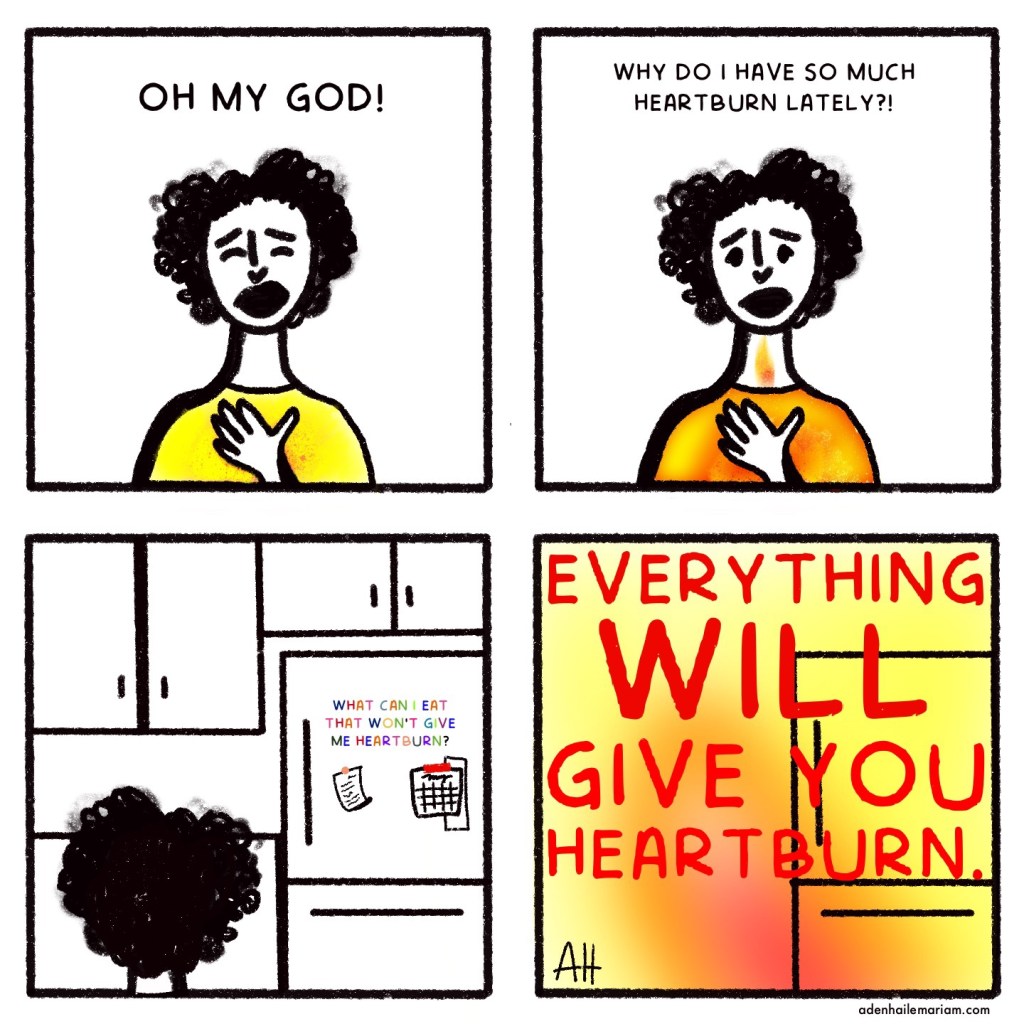
Oh my GERD!
 Aden Hailemariam